Wow! eBook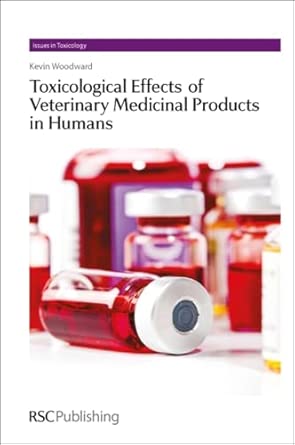
Toxicological Effects of Veterinary Medicinal Products in Humans: Volume 1
Author(s): Kevin Woodward (Author)
- Publisher: Royal Society of Chemistry
- Publication Date: 29 Nov. 2012
- Language: English
- Print length: 414 pages
- ISBN-10: 1849734178
- ISBN-13: 9781849734172
Book Description
Toxicological Effects of Veterinary Medicinal Products in Humans is the first definitive guide to discuss the adverse effects of veterinary medicinal products in humans.
Editorial Reviews
From the Back Cover
About the Author
Excerpt. © Reprinted by permission. All rights reserved.
Toxicological Effects of Veterinary Medicinal Products in Humans Volume 1
By Kevin Woodward
The Royal Society of Chemistry
Copyright © 2013 The Royal Society of Chemistry
All rights reserved.
ISBN: 978-1-84973-417-2
Contents
Volume 1,
Chapter 1 Occupational Health and Safety Among Veterinarians and Veterinary Workers, 1,
Chapter 2 Regulation of Veterinary Medicines, 21,
Chapter 3 Consumer Safety – Maximum Residue Limits, 40,
Chapter 4 The Assessment of User Safety, 81,
Chapter 5 General Anaesthetics, 117,
Chapter 6 Veterinary Products Containing Pesticide Active Ingredients, 150,
Chapter 7 Antineoplastic Drugs, 244,
Chapter 8 Antimicrobial Drugs, 273,
Subject Index, 381,
Volume 2,
Chapter 9 Human Safety of Coccidiostats: A European Perspective Derek W. Renshaw, 1,
Chapter 10 Organophosphorus Veterinary Medicines Timothy C. Marrs, 33,
Chapter 11 Antifungal Drugs, 71,
Chapter 12 Antiparasitic Drugs, 95,
Chapter 13 Some Other Pharmacologically Active Drugs, 155,
Chapter 14 Human Safety of Veterinary Vaccines, 248,
Chapter 15 Adverse Drug Reactions in Humans – Data from Veterinary Pharmacovigilance Schemes, 273,
Chapter 16 Veterinary Medicines and the Environment, 365,
Chapter 17 Potential Adverse Microbiological Effects of Antimicrobials P. Silley, 403,
Subject Index, 429,
CHAPTER 1
Occupational Health and Safety Among Veterinarians and Veterinary Workers
1.1 Introduction
Many people use, and are therefore potentially exposed to, veterinary medicinal products. These include the pet-owning public, farmers, animal breeders and keepers, and, of course, veterinarians and other veterinary staff such as veterinary nurses and practice receptionists. The public may be intermittently exposed to veterinary medicinal products, apart from those with animals with chronic conditions such as epilepsy and diabetes where exposures may be more frequent. Farmers may be responsible for the administration of a wide variety of drugs and, occasionally, exposures have the potential to be significant, for example when dipping sheep and mixing or administering in-feed antimicrobial agents. Veterinarians and veterinary nurses are potentially exposed to a wide range of veterinary drugs including anaesthetics, euthanasia agents, anti-neoplastic agents and non-steroidal anti-inflammatory drugs. It is thus tempting to assume that these professionals are assailed on a daily basis by the combined actions of a number of pharmacologically and toxicologically active agents, and if these could be removed from veterinary practice, the world, or at least the veterinary world, would be a better place in which to live and work.
However, just as it would be wrong to assume that the industrial workplace is a chemophobe's nightmare, or a toxicologists dream, it is equally incorrect to think of the veterinary surgery or clinic as a toxicological playground. Although industry, especially the chemical industry, has had its fair share of chemical disasters, such as those involving asbestos, benzene, vinyl chloride monomer and a number of halogenated hydrocarbons to name but a few, the vast majority of mortalities and morbidities in industry arise from accidents including those involving machinery, explosions and fires. Similarly, it would be incorrect to assume that veterinary workers are immersed in toxic soups of pharmacologically active materials. Even if they were, there are numerous other hazards, with associated risks, which may pose greater dangers than the majority of pharmaceutical or biological agents encountered in veterinary practice.
The main topic of this book is the potential for veterinary pharmaceutical products to cause harm to human beings, especially through toxicological modes of action. However, just as with industry, this must be seen in perspective with all other potential hazards and this chapter attempts to review this perspective.
1.2 Physical Injuries
1.2.1 Accidents and Related Incidents
In a study reported in 1988 of a survey of members of the American Veterinary Medical Association where 995 people responded, nearly 65% had suffered a major animal-related injury. Of these, 17% were hospitalised and 25% required surgical intervention. The main body regions affected were the hand (53%), arms (28%), head (21%), thorax (8%), genitals (4%) and abdomen (3%).
Injuries arose from kicks (36%), bites (3%), crush (12%) and scratches (4%). Other causes of injury involved goring, head butting, pushing and animals falling onto the veterinarian. Cattle (47%), dogs (24%) and horses were the animals most frequently involved in incidents. Car crashes arising from work-related activities were also common.
Ten years later in 1998, of 1797 companion animal veterinarians approached in another survey, 735 (41%) responded. From these respondents, 55% reported that they had had at least one incident. These included dog and cat bites, lifting injuries and slips, trips and falls. Exposure to potentially hazardous substances formed a small category. In this study, professional assistants, veterinary technicians and lay people were affected as well as veterinarians.
In 2010, in a study of veterinarians in the Kampala region of Uganda, the incidence of animal-related injuries was 72%, a surprisingly high figure. The majority of these were accounted for by cattle (72%), followed by cats (25%), dogs (23%) and birds (13%). Injuries caused by poultry did not require hospital treatments, unlike those caused by the other animals encountered. The upper limb was the most frequently injured part of the body (68%), while vaccination was the major activity associated with injury.
In fact several studies have demonstrated the dangers to veterinarians of working with animals including dogs, cats, pigs, cattle and horses, and as already described these include bites, kicks and crushing injuries. Horse-associated injuries, especially kicks, may result in fractures, which, in one survey, were the most common cause of horse-inflicted injury with the head, face and lower limbs being the most affected parts. In an unusual case, a veterinarian suffered a dissection to the internal carotid artery resulting in cerebral ischaemia with cranial nerve involvement, because of the exertions involved in the caesarean delivery of a calf.
These occupational hazards may be exacerbated when the animals are even larger than cattle and horses, particularly when those animals are wild. Deaths of handlers and veterinarians have been associated with elephants and tigers, and following attacks by venomous animals. Working with exotic species in zoos is associated with major animal-related injuries, back injuries, injuries incurred during necropsies, formalin exposures, animal allergy, zoonotic infection and insect allergies.
Some effects of working with animals are less obvious in their origins. An orthopaedic surgeon in Canada encountered a few cases where large-animal veterinarians who had regularly carried out rectal examinations on farm animals reported right shoulder and neck pain, associated with neurological deficit in the median, ulnar and radial nerves. He subsequently organised a survey of large animal practitioners to investigate the extent of this problem. It became clear that these symptoms were relatively common in large animal practitioners, at least in Canada, but they could be ameliorated by periods of rest and by adopting correct postures during the examination procedures.
In fact, lifting patients, handling patients using awkward grip and hand movements, surgery, rectal examinations and repetitive movements result in or contribute to shoulder injuries, back pain and other musculoskeletal disorders in veterinarians.
Perhaps the most bizarre, if somewhat untypical, accident involving a veterinarian occurred in Antarctica when a young female veterinarian involved in field work with Adélie penguins, fell into a crevasse while driving a quad bike, and was crushed between the vehicle and the crevasse wall six metres below the surface. She developed hypothermia and abdominal injuries and underwent two emergency surgical procedures before being evacuated by helicopter and ship and eventually making a recovery.
Certain areas of animal production, notably those involving intensive farming methods, offer significant opportunities for occupational health problems to arise. Aquaculture is an obvious example. Aquaculture enterprises are often based in relatively hostile environments or at least in environments that have the capacity to become hostile because of seasonal influences or changes in the weather. In the United Kingdom, salmon production is based in northerly locations in Scotland, and in Scandinavian countries at even more northerly locations. Fish farming may be conducted in isolated areas in Scottish sea lochs and in some fjords. In all cases, these areas are subject to wide variations in climatic conditions with cold and heat at the extremes, and with rain, snow, ice, winds and gales among the weather conditions for aquaculture workers to contend with.
Farmed fish, like all farmed animals, are susceptible to various viral, bacterial, fungal and parasitic conditions and an armoury of prophylactic products, mainly vaccines, and chemotherapeutants, including antimicrobial drugs and antiparasitic agents, have been developed to combat or treat the various conditions and to ensure the viability of the industry. The diseases are diagnosed by veterinarians and others involved in animal health and welfare, and, similarly, the drugs and vaccines are administered by fish farm employees, usually under the direction of a veterinarian. Hence, the environments where fish farms are frequently located, or more specifically the environments where salmon (and other cold water fish) are located, offer particular challenges in terms of occupational safety.
Musculoskeletal disorders are common from lifting nets within cages where the fish are reared and the feedstuffs used in aquaculture may attract rats, which create a risk for leptospirosis. Other hazards include exposure to hydrogen sulfide that arises from anaerobic reactions in the bottom of fishponds, drowning, hypothermia, electricity, sunburn, fire and explosions from oxygen exposure and ice-related accidents.
1.2.2 Needlestick Injuries
Needlestick injuries are a specific and common type of accident among veterinarians, veterinary nurses, physicians and nurses. In general, they involve "dry" needles i.e. needles with little or no pharmaceutical product on their surface or contained within them and they therefore represent a physical hazard rather than a chemical one as the dose of any drug will be minute. However, it must be recognised that some needlestick injuries with some potent pharmacological acting agents might represent a pharmacological or even toxicological hazard. Similarly, with live vaccines containing zoonotic organisms there is a risk of an adverse outcome. Nevertheless, the usual result is a physical injury rather than a biological or pharmacological insult.
In the UK, the agency responsible for regulating veterinary medicinal products, the Veterinary Medicines Directorate (VMD), reports the results of its pharmacovigilance scheme, the Suspected Adverse Reactions Surveillance Scheme, annually in the Veterinary Record, the journal of the British Veterinary Association. In the report for 1990, the VMD first noted that some of the reports involving adverse reactions to veterinary medicinal products in humans involved simple needlestick injuries. This was barely mentioned thereafter until ten years later when it was noted that 28 reports submitted to the agency concerned needlestick injuries. Since that time, the occurrence of needlestick injuries has featured regularly in the VMD's reports. These are illustrated in Table 1.1.
It is evident from Table 1.1 that needlestick injuries in the UK are a common feature of the VMD's reports. However, even allowing for the under-reporting that is a frequent feature of all adverse reaction reporting schemes, whether for human or veterinary adverse reaction reporting schemes, the actual incidence is very low when compared with the vast numbers of injectable products administered daily to both companion and farm animals. The UK's expert body, the Veterinary Products Committee, has made various recommendations for improving the UK scheme, one of which addresses the under-reporting of needlestick injuries.
These injuries are by no means restricted to UK veterinarians and similar reports have been made elsewhere. Although needlestick injuries tend to be associated with treatment of terrestrial animals, they have also been reported in operators vaccinating fish.
Although needlestick injuries are frequently considered to be "simple" physical injuries, they carry with them the risk of inflammatory reactions, infection and transmission of zoonotic agents from vaccines. Thus, needlestick injuries in veterinary practice and animal care and production have much in common with needlestick injuries in human medicine where similar concerns exist.
1.2.3 Zoonotic Diseases
Veterinarians and others involved in animal health and welfare are exposed to zoonotic agents not only through the use of live vaccines, but also through exposure to animals themselves and to their environments. For some diseases, veterinarians are recognised as being at high risk. These include rabies, avian and swine influenza, brucellosis, toxoplasmosis, salmonellosis, leptospirosis, Lyme disease, echinococcosis, Q fever, psittacosis, Rift Valley fever, cat scratch disease (Bartonella henselae), cutaneous larva migrans, anthrax, bovine tuber- culosis, yersiniosis, blastomycosis, listeriosis and methicillin-resistant Staphylococcus aureus (MRSA). Where possible, the risks associated with these biological hazards should be mitigated by preventive measures such as vaccination, personal hygiene and containment measures.
1.2.4 Dermatoses
Non-infectious dermatoses are common among veterinarians. For example, among a survey of veterinarians in Kansas, some 60% responded and, of these, 24 reported non-infectious recurrent or persistent dermatoses of the forearm, of which 66% were related to work. In a European study, dermatologists were questioned about their experiences with dermatoses in veterinarians. Seven dermatologists had experiences with dermatoses in a total of 58 veterinarians and, of these, 12 cases were infectious disease. The remaining 46 cases could be classified as contact urticarial, irritant or allergic contact dermatitis. Similar results have been seen in other studies Responsible agents included animal protein fluids during obstetric procedures, antiseptic agents, canine milk and canine seminal fluid.
1.2.5 Allergies
In addition to the allergic dermatoses (see Section 1.2.4), veterinarians and others who work with animals are susceptible by the nature of their work to other conditions with an allergic basis. These include animal-related allergic rhinitis, asthma, cough, chest tightness, sneezing and reductions in lung function and may be due to exposure to animal fur, feathers and other sources of animal protein, including urinary proteins. Companion animals (mainly cats and dogs) and farm animals (cattle, pigs and horses) have been implicated in the aetiology of these conditions.
1.2.6 Neoplastic Diseases
Veterinarians are exposed to a range of agents, some of which may be carcinogenic. These include pesticides, solar radiation, ionising radiation for diagnostic and therapeutic purposes and pathogens. There have been a number of studies undertaken to determine if veterinarians are at risk from particular types of cancer.
A study of the health status of veterinarians in Illinois in 1981 suggested that the incidence of cancer was low (1%). However, this study examined what may have been an unusually healthy population of currently working individuals. A separate study of US veterinarians suggested a higher incidence of some forms of cancer, notably leukaemia and Hodgkin's lymphoma, and cancers of the skin and brain for the period 1966–1977. When this was expanded to cover the period 1947–1977, there were elevated numbers of lymphatic and haematopoietic neoplasms as well as cancers of the colon, brain and skin and it was postulated that for the excess incidence of leukaemias, there may have been an association with the early uses of diagnostic radiation. There is also some evidence to suggest that veterinarians, along with other occupational groups, may be at risk from multiple myeloma, while another study suggested an increased incidence of cancer of the large bowel, specifically in those with more than 30 years in the veterinary profession in the US and malignant melanoma for those with more than 20 years. In Sweden, a study of cancer incidence among male veterinarians suggested increased risks from cancers of the oesophagus, colon, pancreas and brain as well as an increased risk of malignant melanoma.
When studies of cancer in veterinarians are taken together, and notably cohort studies, the main conclusions are that veterinarians probably have an increased risk from lymphomas, leukaemia, melanoma and colon cancer although the latter is marginal. The excess of melanoma is almost certainly due to exposure to the sun, which may not be surprising as veterinarians, or at least large-animal practitioners, spend a considerable proportion of their time outdoors. There is no convincing explanation for the excess risk of lymphohaematopoietic cancers, although exposure to ionising radiation is thought to play a role. However, there are excess risks of these types of cancer in agricultural workers who are unlikely to be exposed to radiation. It has been suggested that zoonotic viruses may play a part in the aetiology of these neoplasms. Unfortunately for this hypothesis, the zoonotic diseases encountered by veterinarians and agricultural workers are not thought to be carcinogenic, while the oncogenic viruses encountered in animals, such as feline and bovine leukaemia viruses, are not known to cause disease in humans.
The use of X-ray units, including that of portable units, is not thought to contribute a major radiation hazard to operators, especially with modern equipment and better understanding of its safe use, and the precautions that veterinarians and veterinary technical staff take to reduce unnecessary and inadvertent exposures.
(Continues...)Excerpted from Toxicological Effects of Veterinary Medicinal Products in Humans Volume 1 by Kevin Woodward. Copyright © 2013 The Royal Society of Chemistry. Excerpted by permission of The Royal Society of Chemistry.
All rights reserved. No part of this excerpt may be reproduced or reprinted without permission in writing from the publisher.
Excerpts are provided by Dial-A-Book Inc. solely for the personal use of visitors to this web site.