
Poetics

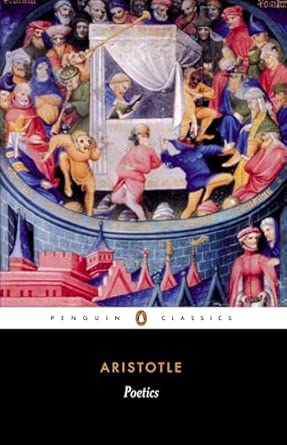
Poetics book cover

Poetics

Author(s): Aristotle (Author)

  • Publisher: Penguin Classics
  • Publication Date: 26 Sept. 1996
  • Edition: Revised ed.
  • Language: English
  • Print length: 144 pages
  • ISBN-10: 9780140446364
  • ISBN-13: 9780140446364

Book Description

One of the most powerful, perceptive and influential works of criticism in Western literary history

In his near-contemporary account of classical Greek tragedy, Aristotle examines the dramatic elements of plot, character, language and spectacle that combine to produce pity and fear in the audience, and asks why we derive pleasure from this apparently painful process. Taking examples from the plays of Aeschylus, Sophocles and Euripides, the Poetics introduced into literary criticism such central concepts as mimesis ('imitation'), hamartia ('error') and katharsis ('purification'). Aristotle explains how the most effective tragedies rely on complication and resolution, recognition and reversals. The Poetics has informed thinking about drama ever since.

Translated with an Introduction and Notes by Malcolm Heath

Editorial Reviews

Review

Select Guide Rating

From the Back Cover

Aristotle's Poetics is one of the most powerful, perceptive and influential works of criticism in Western literary history. A penetrating, near-contemporary account of Greek tragedy, it demonstrates how the elements of plot, character and spectacle combine to produce 'pity and fear' - and why we derive pleasure from this apparently painful process. It introduces the crucial concepts of mimesis ('imitation'), hamartia ('error') and katharsis, which have informed serious thinking about drama ever since. It examines the mythological heroes, idealized yet true to life, whom Aeschylus, Sophocles and Euripides brought on to the stage. And it explains how the most effective plays rely on complication and resolution, recognitions and reversals. Essential reading for all students of Greek literature and of the many Renaissance and post-Renaissance writers who consciously adopted Aristotle as a model, the Poetics is equally stimulating for anyone interested in theatre today.

View on Amazon

未经允许不得转载:Wow! eBook » Poetics