Wow! eBook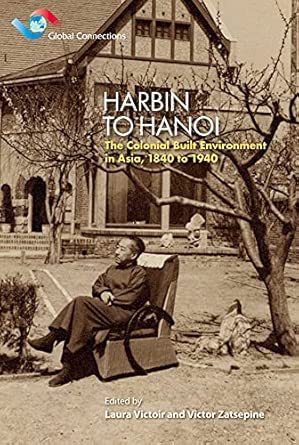
Harbin to Hanoi: The Colonial Built Environment in Asia, 1840 to 1940
Author(s): Laura Victoir (Author), Victor Zatsepine (Author)
- Publisher: Hong Kong University Press
- Publication Date: 23 April 2013
- Language: English
- Print length: 300 pages
- ISBN-10: 988813941X
- ISBN-13: 9789888139415
Book Description
Colonial powers in China and northern Indochina employed the built environment for many purposes: as an expression of imperial aspirations, a manifestation of colonial power, a tool in the mission to civilize, a recreation of a home away from home, or simply as a place to live and work for the colonizers and the colonized. In this volume, scholars of city planning, architecture, and Asian and imperial history provide a detailed analysis of how colonization worked both at the top and bottom levels of the society and how it was expressed in stone, iron, and concrete. The process of creating the colonial built environment was multilayered, complicated, and unpredictable. This book stresses the regional diversity of the colonial built form found from Harbin to Hanoi, diverse experiences of the foreign powers in Asia, flexible interactions between the colonizers and the colonized, and the many risks entailed in building and living in these colonies and treaty ports.
Editorial Reviews
Review
Compelling. Pacific Affairs
About the Author
Laura Victoir is a former postdoctoral fellow in European studies at the University of Hong Kong. She currently teaches in the History Department at Hunter College, City University of New York, specializing in imperial Russia and French colonialism in Indochine. Victor Zatsepine is a research assistant professor of history at the University of Hong Kong, specializing in frontier history and the history of imperial Russia’s presence in Qing China.