Wow! eBook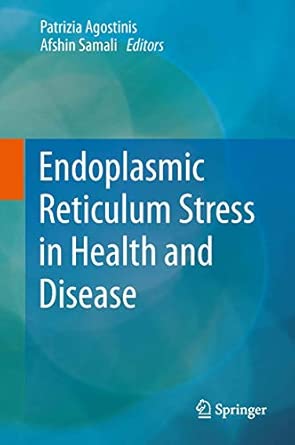
Endoplasmic Reticulum Stress in Health and Disease 2012th Edition
Author(s): Patrizia Agostinis (Editor), Samali Afshin
- Publisher: Springer
- Publication Date: 9 Aug. 2012
- Edition: 2012th
- Language: English
- Print length: 460 pages
- ISBN-10: 9400743505
- ISBN-13: 9789400743502
Book Description
Editorial Reviews
From the Back Cover
The Endoplasmic Reticulum (ER) is an organelle with extraordinary signaling and homeostatic functions. It is the organelle responsible for protein folding, maturation, quality control and trafficking of proteins destined for the plasma membrane or for secretion into the extracellular environment. Failure, overloading or malfunctioning of any of the signaling or quality control mechanisms occurring in the ER may provoke a stress condition known as ‘ER stress’. Accumulating evidence indicates that ER stress may dramatically perturb interactions between the cell and its environment, and contribute to the development of human diseases, ranging from metabolic diseases and cancer to neurodegenerative diseases, or impact therapeutic outcome. This book primarily focuses on the pathophysiology of ER stress. It introduces the molecular bases of ER stress, the emerging relevance of the ER-mitochondria cross-talk, the signaling pathways engaged and cellular responses to ER stress, including the adaptive Unfolded Protein Response (UPR), autophagy as well as cell death. Next the book addresses the role of ER stress in physiology and in the etiology of relevant pathological conditions, like carcinogenesis and inflammation, neurodegeneration and metabolic disease. The last chapter describes how ER stress pathways can be targeted for therapeutic benefit. Altogether, this book will provide the reader with an exhaustive view of ER stress biology and the latest insights in the role of ER stress in relevant human diseases.