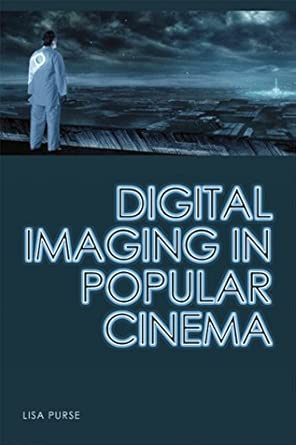
This book explores how film analysis can take account of the presence of digital images in cinema. Digital images are now ubiquitous elements within the cinematic frame but, as we analyse films or film moments, it can often be difficult to be sure how – and how much – to talk about digital elements. This accessible book demystifies the relationship of digital imaging to processes of watching and reading films, and gives scholars and students the tools to engage with digital imaging in cinema with ease. A wide-ranging series of case studies demonstrates how digital elements can be discussed and analysed in different scenarios, and a language is developed to describe digital elements accurately. Not just for digital effects enthusiasts, this book is essential for anyone interested in how to approach film critically: it is a toolbox for contemporary film analysis. Key features: this is the first book exploring how the presence of digital imaging in film affects the production of meaning; locates contemporary digital effects practice in relation to historical traditions of filmmaking and special effects practice; proposes a fresh, flexible approach to the close textual analysis of film that can take account of the digital; and, uses case studies from the ‘Lord of the Rings’ trilogy and ‘Avatar’ to ‘Alice in Wonderland’ and ‘King Kong’ to demonstrate this approach in action.
Editorial Reviews
Review
A distinctive and authoritative contribution to debates about digital imaging and its transformative effects on cinema. Lisa Purse argues convincingly for a nuanced understanding of the role of digital processes within the complex of filmmaking decisions that create meaning and effect, and in relation to the history of ‘special effects’ technology and the politics of representation. — Douglas Pye, University of Reading
From the Back Cover
‘A distinctive and authoritative contribution to debates about digital imaging and its transformative effects on cinema. Lisa Purse argues convincingly for a nuanced understanding of the role of digital processes within the complex of filmmaking decisions that create meaning and effect, and in relation to the history of ‘special effects’ technology and the politics of representation.’Douglas Pye, Senior Visiting Fellow, University of ReadingTo what extent has cinema been transformed by the advent of digital imaging? Have digital solutions to production challenges begun to change our experience of films, and their characters, action and narratives? And what impact does the inclusion of digital imaging in the film frame have on our interpretation and analysis of film texts?Digital Imaging in Popular Cinema investigates these issues through analysis of specific film moments and extended case studies of films including Minority Report, King Kong, 300 and Hugo. It explores how digital imaging can mimic, shape or transform both fantastical and mundane objects and phenomena, what the implications are for how we ‘read’ films, and how cultural ideas about digital imaging can also influence meaning within a film, a scene or even a single shot.The increasingly widespread use of digital images in filmmaking means that we can no longer afford to ignore it when critically analysing and interpreting film texts. This innovative and engaging book provides a blueprint for approaching digital imaging in cinema, making it essential reading in contemporary Film Studies.LISA PURSE is Senior Lecturer in Film at the University of Reading. She is the author of Contemporary Action Cinema (Edinburgh University Press, 2011).
About the Author
Lisa Purse is Lecturer in Film, Department of Film, Theatre & Television, University of Reading
 Wow! eBook