Wow! eBook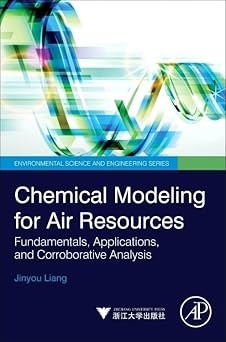
Chemical Modeling for Air Resources: Fundamentals, Applications, and Corroborative Analysis
Author(s): Jinyou Liang (Author)
- Publisher: Academic Press
- Publication Date: 12 Jun. 2013
- Edition: Illustrated
- Language: English
- Print length: 304 pages
- ISBN-10: 0124081355
- ISBN-13: 9780124081352
Book Description
Chemical Modeling for Air Resources describes fundamental topics in chemical modeling and its scientific and regulatory applications in air pollution problems, such as ozone hole, acid rain, climate change, particulate matter, and other air toxins. A number of corroborative analysis methods are described to help extract information from model data. With many examples, Chemical Modeling for Air Resources may serve as a textbook for graduate students and reference for professionals in fields of atmospheric science, environmental science and engineering.
- Presents atmospheric chemical modeling from both scientific and regulatory perspectives
- Includes a range of topics for each pollutant, including the science of how it forms, its health effects, the regulatory context, and modeling
- A succinct overview for air quality regulators and industry consultants interested in the most widely used modeling software