 Wow! eBook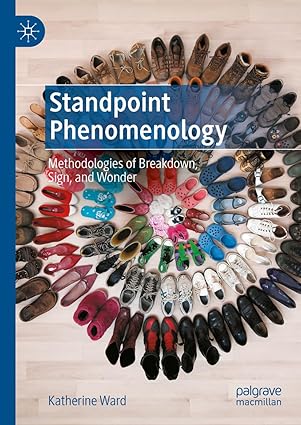
Standpoint Phenomenology: Methodologies of Breakdown, Sign, and Wonder
by: Katherine Ward (Author)
Publisher: Palgrave Macmillan
Edition: 2024th
Publication Date: 2024/5/18
Language: English
Print Length: 198 pages
ISBN-10: 3031554558
ISBN-13: 9783031554551
Book Description
This book introduces a standpoint approach to phenomenology and reconceives the phenomenological project as not an individual but a communal endeavor―one that, importantly, requires insight from across the spectrum of human experience and especially experiences of those who have traditionally been absent from the discipline. To develop this approach, the book draws on the feminist tradition of standpoint epistemology. The book borrows two of standpoint epistemology’s key theses―that of situated knowledge (what we know is shaped and often limited by our social location) and inverted privilege (epistemological advantage can in some contexts be inversely related to one’s social location). In standpoint phenomenology, these develop into the thesis of situated phenomenology and inverted phenomenological privilege respectively. This book presents three specific methodologies that support the standpoint approach to phenomenology: the methodologies of breakdown, sign, and wonder. All have their origins in the classical phenomenological work of Heidegger and Merleau-Ponty. Though these methods are used by these phenomenologists, they are not explicitly articulated or explained in any detail. The book lays out how and why these methodologies can be used to reveal the conditions supporting human existence and then highlights the role each might play in a standpoint approach to phenomenology.
About the Author
This book introduces a standpoint approach to phenomenology and reconceives the phenomenological project as not an individual but a communal endeavor―one that, importantly, requires insight from across the spectrum of human experience and especially experiences of those who have traditionally been absent from the discipline. To develop this approach, the book draws on the feminist tradition of standpoint epistemology. The book borrows two of standpoint epistemology’s key theses―that of situated knowledge (what we know is shaped and often limited by our social location) and inverted privilege (epistemological advantage can in some contexts be inversely related to one’s social location). In standpoint phenomenology, these develop into the thesis of situated phenomenology and inverted phenomenological privilege respectively. This book presents three specific methodologies that support the standpoint approach to phenomenology: the methodologies of breakdown, sign, and wonder. All have their origins in the classical phenomenological work of Heidegger and Merleau-Ponty. Though these methods are used by these phenomenologists, they are not explicitly articulated or explained in any detail. The book lays out how and why these methodologies can be used to reveal the conditions supporting human existence and then highlights the role each might play in a standpoint approach to phenomenology.


