Social Movements and Solidarity Structures in Crisis-Ridden Greece

政治、社会

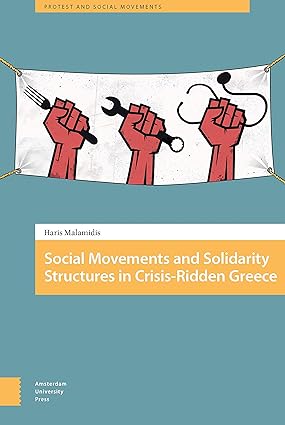
Social Movements and Solidarity Structures in Crisis-Ridden Greece (Protest and Social Movements) book cover

Social Movements and Solidarity Structures in Crisis-Ridden Greece (Protest and Social Movements)

Author(s): Haris Malamidis (Author)

  • Publisher: Routledge
  • Publication Date: October 1, 2020
  • Edition: 1st
  • Language: English
  • Print length: 360 pages
  • ISBN-10: 9463722432
  • ISBN-13: 9789463722438

Book Description

Social Movements and Solidarity Structures in Crisis-Ridden Greece explores the rich grassroots experience of social movements in Greece between 2008 and 2016. The harsh conditions of austerity triggered the rise of vibrant mobilizations that went hand-in-hand with the emergence of numerous solidarity structures, providing unofficial welfare services to the suffering population. Based on qualitative field research conducted in more than 50 social movement organizations in Greece’s two major cities, the book offers an in-depth analysis of the contentious mechanisms that led to the development of such solidarity initiatives. By analyzing the organizational structure, resources and identity of markets without middlemen, social and collective kitchens, organizations distributing food parcels, social clinics and self-managed cooperatives, this study explains the enlargement of boundaries of collective action in times of crisis.

Editorial Reviews

From the Back Cover

Social Movements and Solidarity Structures in Crisis-Ridden Greece explores the rich grassroots experience of social movements in Greece between 2008 and 2016. The harsh conditions of austerity triggered the rise of vibrant mobilizations that went hand-in-hand with the emergence of numerous solidarity structures, providing unofficial welfare services to the suffering population. Based on qualitative field research conducted in more than 50 social movement organizations in Greece’s two major cities, the book offers an in-depth analysis of the contentious mechanisms that led to the development of such solidarity initiatives. By analyzing the organizational structure, resources and identity of markets without middlemen, social and collective kitchens, organizations distributing food parcels, social clinics and self-managed cooperatives, this study explains the enlargement of boundaries of collective action in times of crisis.

About the Author

Haris Malamidis is a post-doctoral researcher at the Department of Sociology at the University of Crete, Greece and member of the Centre on Social Movement Studies (Cosmos) in Florence, Italy.

Amazon Page

代发服务PDF电子书9.9立即求助