 Wow! eBook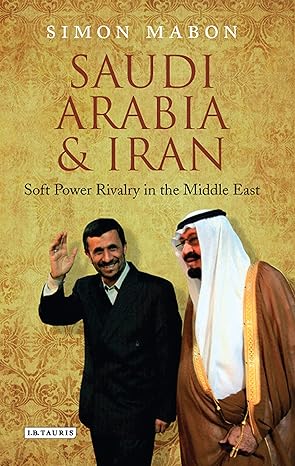
Saudi Arabia & Iran: Power and Rivalry in the Middle East (Library of Mode Middle East Studies)
by: Simon Mabon (Author)
Publisher: I.B.Tauris
Publication Date: 2013/9/28
Language: English
Print Length: 312 pages
ISBN-10: 1780763115
ISBN-13: 9781780763118
Book Description
In the wake of the 1979 Iranian revolution, relations between states in the Middle East were reconfigured and reassessed oveight. Amongst the most-affected was the relationship between Iran and Saudi Arabia. The existence of a new regime in Tehran led to increasingly vitriolic confrontations between these two states, often manifesting themselves in the conflicts across the region, such as those in Lebanon and Iraq, and more recently in Bahrain and Syria. With rhetoric emanating from each side about the other’s illegitimacy, most often couched in terms of religious orthodoxy or heresy, the conflict between Saudi Arabia and Iran has ramifications not only in the Gulf or the wider Middle East, but also on the inteational stage. In order to shed light upon this rivalry, Simon Mabon examines the different identity groups within Saudi Arabia and Iran (made up of various religions, ethnicities and tribal groupings), proposing that inteal insecurity has an enormous impact on the wider ideological and geopolitical competition between the two. Focusing on the ‘soft power’ aspects of foreign policy formation (as opposed to ‘hard power’), Mabon draws a nuanced picture of the diplomatic and inteational relations between Saudi Arabia and Iran, and the ways in which each state has sought to attain a leading position in both the Middle East and Muslim world. Mabon therefore looks at the ways in which each state has a tendency to provide support for identity groups that threaten the security of the other regime, such as Iran’s support for the Shi’a of Saudi Arabia, or Saudi Arabia’s attempt to strengthen ties with the ethnic Arabs in Iran. With analysis of this heated and often uneasy relationship and its impact on the wider Middle East, this book is vital for those researching inteational relations and diplomacy in the region.
About the Author
In the wake of the 1979 Iranian revolution, relations between states in the Middle East were reconfigured and reassessed oveight. Amongst the most-affected was the relationship between Iran and Saudi Arabia. The existence of a new regime in Tehran led to increasingly vitriolic confrontations between these two states, often manifesting themselves in the conflicts across the region, such as those in Lebanon and Iraq, and more recently in Bahrain and Syria. With rhetoric emanating from each side about the other’s illegitimacy, most often couched in terms of religious orthodoxy or heresy, the conflict between Saudi Arabia and Iran has ramifications not only in the Gulf or the wider Middle East, but also on the inteational stage. In order to shed light upon this rivalry, Simon Mabon examines the different identity groups within Saudi Arabia and Iran (made up of various religions, ethnicities and tribal groupings), proposing that inteal insecurity has an enormous impact on the wider ideological and geopolitical competition between the two. Focusing on the ‘soft power’ aspects of foreign policy formation (as opposed to ‘hard power’), Mabon draws a nuanced picture of the diplomatic and inteational relations between Saudi Arabia and Iran, and the ways in which each state has sought to attain a leading position in both the Middle East and Muslim world. Mabon therefore looks at the ways in which each state has a tendency to provide support for identity groups that threaten the security of the other regime, such as Iran’s support for the Shi’a of Saudi Arabia, or Saudi Arabia’s attempt to strengthen ties with the ethnic Arabs in Iran. With analysis of this heated and often uneasy relationship and its impact on the wider Middle East, this book is vital for those researching inteational relations and diplomacy in the region.


