Wow! eBook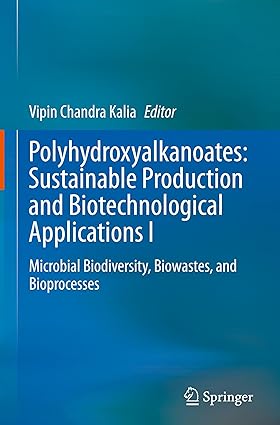
Polyhydroxyalkanoates: Sustainable Production and Biotechnological Applications I: Microbial Biodiversity, Biowastes, and Bioprocesses
by: Vipin Chandra Kalia (Editor)
Publisher: Springer
Publication Date: 2025-03-15
Language: English
Print Length: 265 pages
ISBN-10: 9819619955
ISBN-13: 9789819619955
Book Description
This book highlights microbial biodiversity, biowastes, and innovative bioprocesses that contribute to creating these environmentally friendly biopolymers. The chapters discuss key concepts such as the occurrence and biosynthesis of natural and synthetic biopolymer composites, recent advances in using engineered E. coli and Pseudomonas as microbial factories revolutionizing biopolymer production, and the challenges and opportunities presented by cyanobacterial PHA research. Additionally, it investigates green synthesis methods that convert lignocellulosic biomass into PHAs and examines various feedstocks like sugar- and starch-rich waste for fermentation substrates. Researchers in biotechnology, environmental science, materials engineering, and related fields will find this book indispensable. It offers a comprehensive overview of current R&D activities to achieve sustainable PHA production. The book provides both theoretical perspectives and practical case studies, offers a wealth of knowledge to guide readers’ exploration of biopolymer production, making it a must-read for anyone dedicated to advancing eco-friendly materials science.
Editorial Reviews
This book highlights microbial biodiversity, biowastes, and innovative bioprocesses that contribute to creating these environmentally friendly biopolymers. The chapters discuss key concepts such as the occurrence and biosynthesis of natural and synthetic biopolymer composites, recent advances in using engineered E. coli and Pseudomonas as microbial factories revolutionizing biopolymer production, and the challenges and opportunities presented by cyanobacterial PHA research. Additionally, it investigates green synthesis methods that convert lignocellulosic biomass into PHAs and examines various feedstocks like sugar- and starch-rich waste for fermentation substrates. Researchers in biotechnology, environmental science, materials engineering, and related fields will find this book indispensable. It offers a comprehensive overview of current R&D activities to achieve sustainable PHA production. The book provides both theoretical perspectives and practical case studies, offers a wealth of knowledge to guide readers’ exploration of biopolymer production, making it a must-read for anyone dedicated to advancing eco-friendly materials science.